
Probate Court is Inevitable

Probate Court is Inevitable

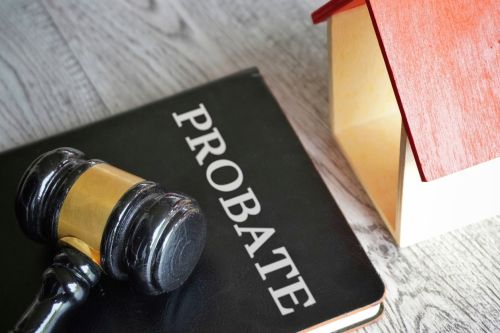
To be clear, Probate Court is inevitable and is an unavoidable legal process. Everyone is subjected to Probate Courts when they die, just as they are to gravity. Probate is a court-supervised legal process for managing and distributing the assets of a deceased person (the decedent). Courts involve proving the validity of a will (if one exists), identifying and valuing assets. Also involved is paying debts and taxes, and ultimately distributing the remaining assets to beneficiaries.

Probate can be time-consuming, causing delays in asset distribution. Delays which may not be ideal for heirs in need of quick access to funds. Complex Court Procedures: The probate process can be intricate, potentially taking months or even years to complete. The two main reasons to avoid probate are the time and money it can take to complete. Remember that probate is a court process, and along with the various proceedings and hearings. Simply gathering assets and paying off debts of an estate can take months or even years.

The probate hearing allows the court to formally appoint the person who will oversee the distribution of assets. The Executor, a trusted person, handles all other aspects of settling your estate. The court will issue legal documents authorizing your Executor or Personal Representative to act on behalf of your estate.
Reason to Plan

Our reason for offering estate planning services is to let you know that options are available. Those options are for reducing the impacts brought on by the probate process. If people hold assets jointly with the right of survivorship or designate beneficiaries, probate may not be necessary. Most adults own assets of dubious value, but the owners may simply want to hand them down. An example is families handing down fine China from generation to generation.

Our mission is to walk you through the preparation process. That way, you distribute what’s yours the way you want it. With planning, you can complete the probate process at minimal cost. We have navigated the probate process when no planning has been done and it is time-consuming and costly. That uniquely qualifies us to help you avoid pitfalls my family and families across America have fallen into. Probate court is inevitable; we can help reduce the impact on your family.

Our estate planning process includes selecting the appropriate instruments and managing them when the time comes. A small amount of planning goes a long way towards building generational wealth, and the way things are going, our survivors will need a hand up.

Loading

Critical Estate Planning Documents

Estate planning is something adults everywhere need to consider, especially when they have a spouse and/or children. I said, especially, but in reality, adults need an estate plan with details that they won’t be able to make. At the very least, there are three critical estate documents you should have while working on your full-blown estate plan. You will include all three documents in your plan and can complete them in an afternoon.

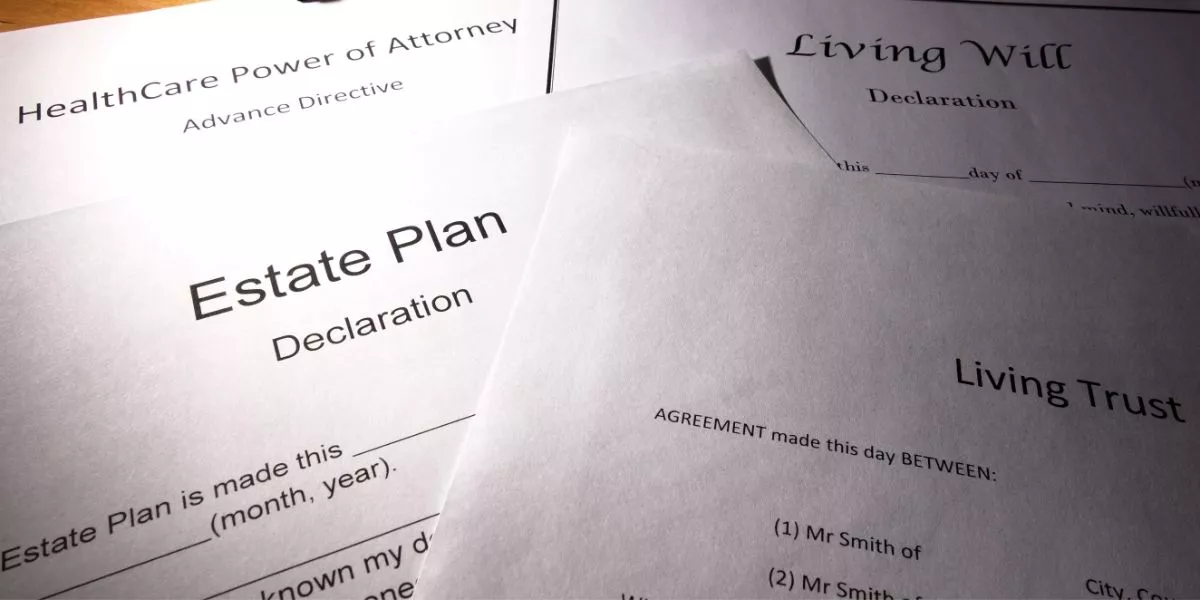
I center my recommendation of the three critical documents on a healthy adult property owner. If you’re not in the best of health, I also recommend adding a Healthcare Directive document. I center my recommendation of the three critical documents on a healthy adult property owner. If you’re not in the best of health, I also recommend adding a Healthcare Directive document. Let me list the three critical documents and the Healthcare Directive document. Here are the documents and a short description of what problem they solve.

Four Critical Estate Documents Benefits

  • Transfer on Death Deed (TOD): Upon your death, this document directs the person named in the document to receive the listed property. The passing of the title involves issuing a new title to the designated person(s). Where the value of the TOD lies is that it legally keeps the property out of the probate process. Probate is time-consuming, and the new deed names the new owner.
  • Power of Attorney (POA): A Power of Attorney (POA) is a legal document that allows one person (the principal) to appoint another (the agent or attorney-in-fact) to act on their behalf in legal and financial matters. It’s a way to delegate decision-making authority to someone you trust. This ensures that someone manages your affairs when you’re unable to do so yourself. This is important because at any time, we can become incapacitated and unable to make our own daily decisions. While the hope is that this is only a temporary condition. You risk losing a lot and must play catch-up.
  • Last Will and Testament (LWaT): A last will and testament is a legal document that outlines how a person’s assets and property should be distributed after their death. It also allows the individual to name a guardian for minor children and an executor to manage the estate. Having a will ensures that you carry out your wishes and can help you avoid potential disputes among family members. Without this document, EVERYTHING you own gets thrown into the Probate process. After all the legal proceedings, what remains is anyone’s guess. What remains could be something, it could be nothing, and heirs may have to foot the bill. It only takes a short amount of time to create a will.
  • Advanced Healthcare Directive (AHD): An Advanced Healthcare Directive is a legal document. This document outlines a person’s preferences for medical treatment, especially if they become unable to make decisions for themselves. It allows individuals to appoint a healthcare agent and/or provide specific instructions regarding their medical care, including end-of-life decisions. We sometimes take our health for granted and the assumption is this document kicks in when something happens to you precluding you from making your own decisions. The person identified will be able to make decisions in accordance with what you want.

The fourth instrument, the Advanced Healthcare Directive, is considered important and listed as critical because the assumption is that you are still alive and making decisions. Because things can change rapidly, this document should be considered if you are in good or poor health.

Probate is inevitable; preparing the appropriate documentation resolves challenges that only the courts will resolve. Give us a look and hopefully a call. We would love to discuss your questions and hopefully move forward with preparation..

These are personal decisions, and we will work with you to ensure you prepare the resulting documentation accurately. We recommend that everyone have the first three documents. Many want to make other decisions after the fact, but we highly encourage you to complete the first three. These three instruments have a high negative impact on your survivors should you pass away without them.

The documentation we deliver will withstand challenges made when you’re not here to defend your decisions. Because estate planning documents have registration requirements, we provide dates for notarization and filing. We also deliver instructions and locations for filing so that your Executor does not have to go looking for the appropriate offices.